
The truth about ChatGPT’s pet health advice

New research into the validity of ChatGPT responses reveals oversimplification, inaccuracy, and assumptions when it comes to questions about pet health, uncovering potential risks for pet owners.
With a quarter of pet parents trusting AI to diagnose their pets, Dr. Jo Myers, a veterinarian at veterinary telehealth platform Vetster, has investigated the kinds of answers it provides to ten common pet health questions, including what cats and dogs can’t eat, what a lump means on a cat, and types of pain medication owners can give to their dog.
Key takeaways showed that ChatGPT often:
Failed to mention how quickly some conditions can become serious, when additional information is needed, or when pet owners should seek veterinary care right away.
Treated the owner’s description as accurate, even though many symptoms and behaviors can have very different causes
Oversimplified potentially valid points to the point of inaccuracy
Dr. Jo noted that one of the most concerning responses came when asking: “My cat stopped eating today. Is that an emergency?”
She said: “When we asked this question, ChatGPT immediately assumed the breed of cat was a Bengal, when this wasn’t in the prompt. It then wrongly noted that Bengals are food-motivated, which is not scientifically supported.”
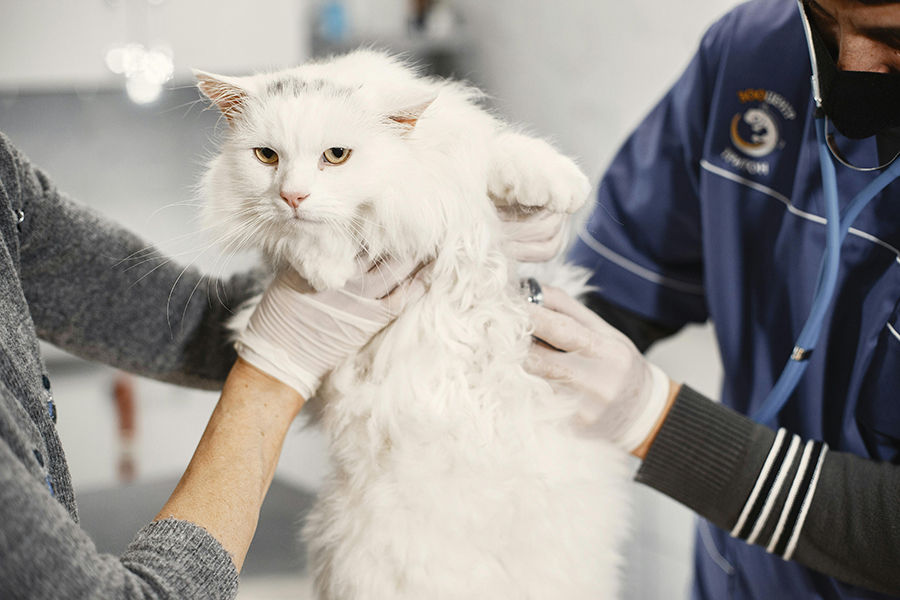
Another concern came when asking how normal it is for a dog not to sleep, where ChatGPT crucially missed flagging a potential emergency. The LLM listed some causes for this, but failed to mention that if a dog is showing signs of restlessness or inability to settle, it could be due to a serious medical condition.
Dr. Jo notes that pet owners need to be aware of the nature of LLMs: “These systems are designed to keep the conversation going. They are designed to keep the conversation going, not for your pet’s well-being. They don’t have accountability, and they don’t carry responsibility for outcomes.”
Used with caution, and when prompted as accurately as possible, AI can be a useful tool for pet owners, for tasks such as:
Learning general background information about a symptom or condition
Understanding terminology after a veterinary visit
Preparing questions ahead of an appointment

But AI use does come with a warning, and pet owners should not be using tools like ChatGPT to seek a diagnosis, to tell them if something is an emergency, or to replace veterinary care.
The ability to access advice from home is a significant factor in the growing use of AI among pet owners. A similar shift is occurring in professional care through virtual veterinary appointments, which provide a way for owners to share a pet’s medical history and specific context with a licensed veterinarian from a remote setting.
Head to Vetster’s blog to read the rest of the responses from ChatGPT alongside the veterinary analysis and more information on how veterinarians and pet owners can safely use AI.
Methodology of research
10 commonly searched pet health questions were used to test how large language models (LLMs) respond to realistic pet concerns. These were selected because they are:
Highly relevant to real-world pet owner decision-making
Frequently asked questions likely to surface AI-generated answers
Clinically nuanced, where oversimplification can create risk
Dr. Jo used ChatGPT as the chosen LLM, and to reduce personalization bias, testing was completed while logged out of ChatGPT.
About Vetster
Vetster is an innovative pet health platform that connects pet owners with licensed veterinary professionals through virtual consultations. Committed to making veterinary care more accessible, Vetster offers on-demand services that empower pet parents to receive expert advice and support from the comfort of their homes or on the go. With a focus on convenience and quality care, Vetster is redefining how pet health services are delivered in today's digital age. Learn more about Vetster at vetster.com.
About Dr. Jo Myers
Dr. Jo is a veterinarian with more than 30 years of experience and a graduate of the Iowa State University College of Veterinary Medicine. She enjoys helping pet owners understand what might be going on with their pet, decide when in-person care is needed, and feel supported during stressful or emotional moments. Dr. Jo is dedicated to helping improve access to trustworthy, evidence-based pet health care information.
Submitted by Shelly Talsma at editor@theazinsider.com
All submissions will be posted to the website and shared online. Please email: info@therescuedogproject.com.

Do you have something you'd like to submit that will help inform, inspire, or move someone toward helping end the pet crisis? Please email: Info@therescuedogproject.com
Your voice can help shift perspectives, encourage people to adopt successfully, volunteer confidently, advocate freely, inform rationally, and collaborate openly to help end the pet crisis in our own communities.


Comments